
Tension is the foundational element that makes horror, well, scary. Build to a scare. Release it. Build it again. This is the familiar engine that every horror writer uses to keep pages turning. It’s functional, predictable, and reliable. But the stories that refuse to leave your head long after you’ve shut the book are operating on a completely different frequency. They're not building toward a scare. They're creating a condition. Something is wrong. You don't know what. You can't point to it. And that inability to define the threat is where the real horror lives.
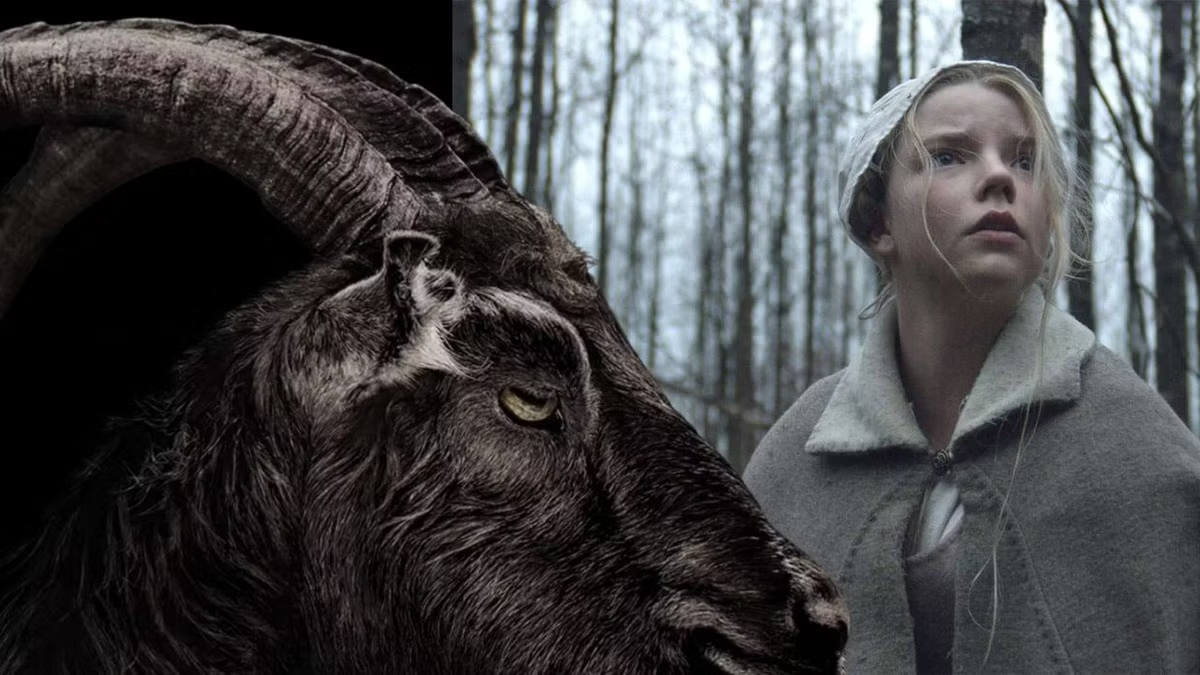
2015's The Witch. I still think about this damn goat a decade later.
Tension is an engineering problem: you just need a ticking clock and visible stakes. This comes naturally with the plot. Dread is an atmospheric condition. It requires you to manipulate the space between the plot points.
If you want to move past simple jump scares and write something that lingers, you have to master the mechanics of the slow burn.
The Wrong Note In A Familiar Song
Marcus Kliewer's We Used to Live Here opens with a simple premise: a family arrives at Eve Palmer's door claiming they used to live in her house, and asks if they can look around. Eve lets them in. Then she can't get them to leave.
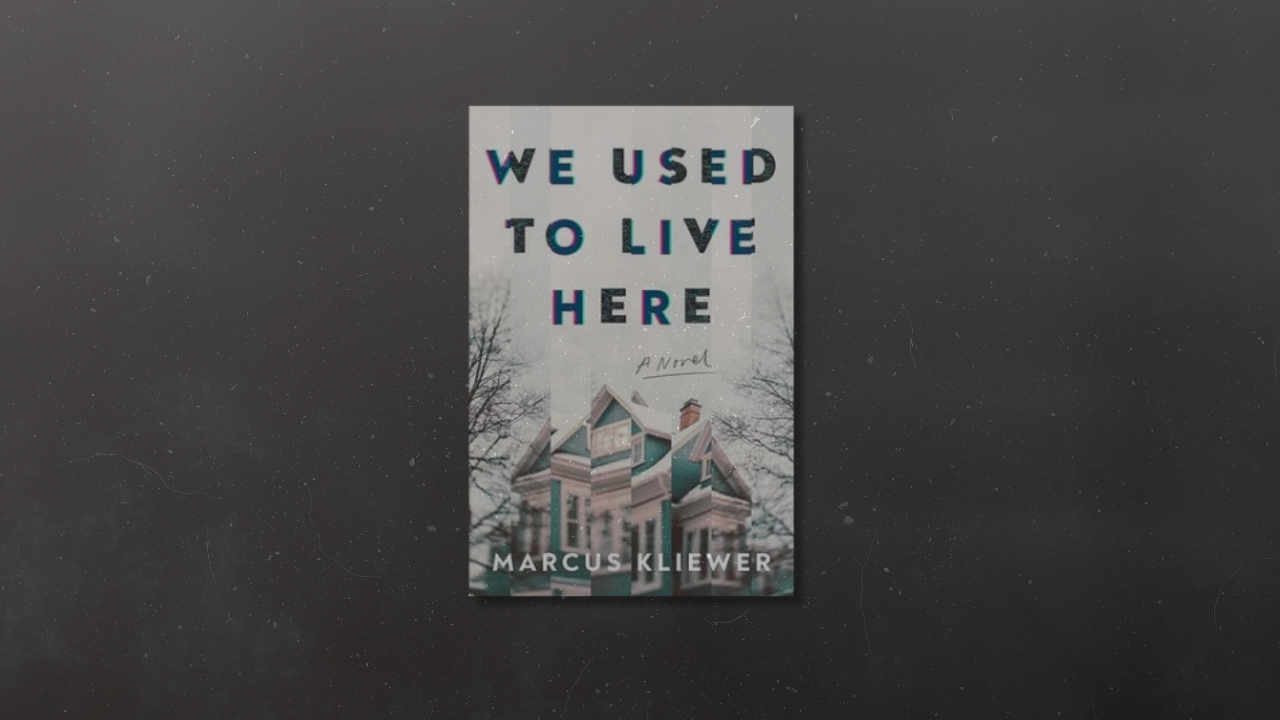
I met Marcus Kliewer recently, and we had a really chill conversation.
The Faust family doesn't threaten Eve. They are (for the most part) perfectly polite. They problem is that they're just still there. The horror of the entire first half of the novel lives in that gap—the gap between the social rules Eve knows (strangers leave when asked) and the social reality she's experiencing (they haven't). Kliewer doesn't need to show you a monster. He just needs to show you something operating slightly outside the rules you've built your sense of safety around.
This is the literary execution of the uncanny—taking something intimately familiar and shifting it five degrees to the left. It turns out our brains absolutely panic at this kind of drift.
In cognitive neuroscience, researchers use the term "predictive processing" to describe how the brain constantly builds subconscious models of what should happen next to save energy. When a piece of reality violates that model, it triggers a massive neural prediction error.
In a 2018 study on predictive processing and the uncanny valley1, researchers used EEG data to map how human brains react to slight architectural mismatches in behavior:
...uncanny valley could be explained by violation of one's predictions about human norms... Importantly, our results implicate that the mechanisms underlying perception of other individuals in our environment are predictive in nature.
They found that when we encounter these slight anomalies, the brain fires a specific electrical impulse called an N400 wave. It’s the exact same neural signal that flags a semantic mismatch (like reading the sentence 'He took a sip of his hot brick').
I'm not a scaredy-cat, it's just my biology.
The N400 is your internal alarm system screaming that a fundamental rule of reality has been broken, long before your conscious mind can articulate what the problem is. Dread is the psychological fallout of that neural glitch.
Sacred Things Made Dangerous
Christopher Buehlman's Between Two Fires is set in plague-ravaged 1348 France, a world where the theological framework—God, saints, holy objects, the protection of the Church—is supposed to mean something. The entire architecture of medieval life is built on that framework, and Buehlman systematically rots it from the inside out.
Consider the sequence where Thomas and Delphine arrive in a silent, plague-hollowed Paris. The dread in these chapters doesn't hit when the monsters finally show up; it suffocates you in the agonizing crawl toward them.
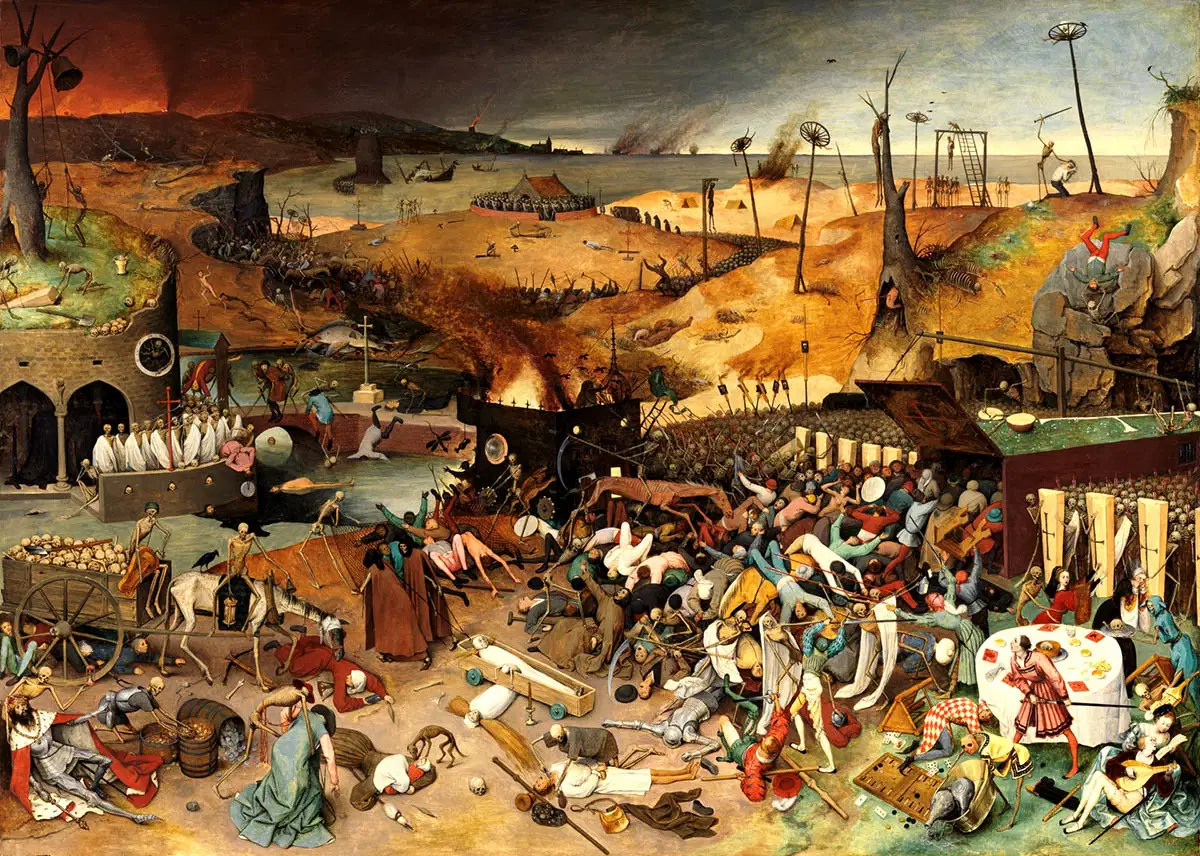
Triumph of Death (c. 1562) by Pieter Bruegel the Elder. Art used to go way harder.
Buehlman builds the atmosphere through a sequence of wrong signs—the dead streets, the barred doors, the heavy, unnatural silence hanging over a city that should be the beating heart of Christendom. You know a reckoning is coming because the environment itself has been stripped of its divine protection. By the time the literal cathedral stone turns hostile, it isn't a shocking twist—it's the inevitable punchline to an omen you’ve been reading over the past few chapters.
This is one of dread's most reliable mechanisms: invert the protective. The haunted house works for the same reason. Home is where you're safe. Now it isn't. Your own perception of safety becomes the delivery system for the horror.
This inversion triggers what cognitive scientists call the Hyperactive Agency Detection Device (HADD)2. Evolutionarily, humans are hardwired to project intent and life onto inanimate environments as a survival mechanism—it’s always safer to mistake a boulder for a bear than a bear for a boulder (although you're still shit out of luck if either one is chasing you). When Buehlman sets his monsters aside and focuses on silent doors and looming stone figures, he is playing directly into this primitive paranoia.
Withhold More Than You Show
Dread is produced by withholding more than you reveal. Every time a horror writer shows you the monster, they're trading dread for something else: shock, revulsion, visceral fear. These are all important horror devices. But dread is what exists before the monster appears. Once you see it, you stop dreading it. The mystery dissolves into a tactical problem—now you know what it is, and you can start figuring out how to deal with it.
This isn't just a narrative preference; it’s neurobiology. Brain imaging studies on threat ambiguity3 demonstrate that the amygdala fires far more chaotically when a danger is implied rather than explicit. The moment a monster becomes visible, the brain shifts into a tactical problem-solving mode—the mystery is solved, and a survival plan is formed. But when the threat is withheld, the brain is trapped in a permanent loop of cognitive high alert.
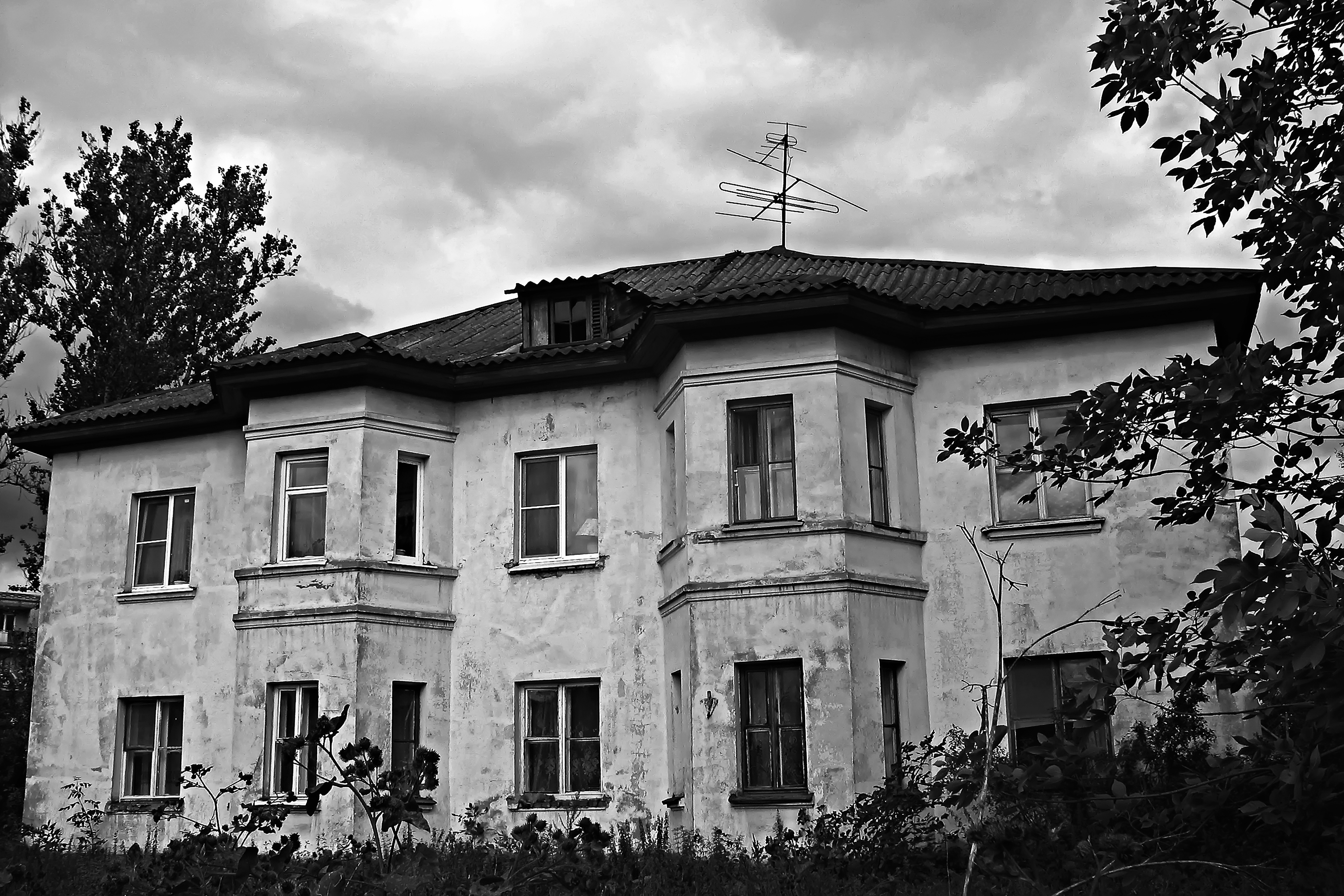
Horror fiction protagonists will see this and immediately decide to move in.
Shirley Jackson understood this better than almost anyone. In The Haunting of Hill House, the house is described from the first page as possessing a quality of malice—but Jackson never cashes that check entirely. The evil remains just out of reach. Eleanor's perception deteriorates and we deteriorate with her, but we never get a definitive accounting of what the house is, or what it wants, or whether it's even real. The novel ends and the dread remains unresolved.
The Character's Perception Can't Be Trusted, So Neither Can Yours
Kliewer gives Eve an anxiety disorder. It's a small detail and it does enormous work. Because now every time Eve doubts what she's experiencing, the reader doubts it too. Is the Faust family supernatural? Are they replacements? Is Eve having a breakdown? The novel holds all of these simultaneously—not as a mystery to be solved, but as a condition to be inhabited.
The most dread-producing narrators in horror are ones whose reliability is in question. Not because unreliable narrators are inherently clever, but because they structurally recreate the experience of actual fear, which is never clean. When you're genuinely afraid, you don't have perfect clarity. You question what you saw. You rationalize. You doubt your own eyes. A narrator who does the same thing forces you inside that state of panic rather than letting you watch it safely from the sidelines.
Nothing about this image concerns me.
We see this in Eleanor Vance in Hill House, Eve in We Used to Live Here, and Andrew in The Grip of It by Jac Jemc—a largely overlooked novel that uses alternating, disintegrating perspectives to devastating effect.
Dread Requires Cost
None of these techniques function without a prior investment in what might be lost. If you don't care about Eve, the Fausts are just an eccentric family overstaying their welcome. If Thomas and Delphine don't register as living, breathing people, the ruins of Paris are just a gothic stage set.
Dread is not a property of plot points. It's a property of the relationship between characters and events. The writer's job, long before introducing the anomaly, is to build a life worth protecting. Everything else is downstream from empathy. The horror that stays with you is horror that had something to lose.
References
-
Urgen, B. A., Kutas, M., & Saygin, A. P. (2018). Uncanny valley as a window into predictive processing in the social brain. Neuropsychologia, 114, 181-185. Read the paper. ↩
-
Barrett, J. L. (2004). Why Would Anyone Believe in God? AltaMira Press. ↩
-
Whalen, P. J. (2007). The uncertainty of it all. Trends in Cognitive Sciences, 11(12), 499-500. Read the paper. ↩